domingo, 25 de mayo de 2025

Teaching a New Language to Children with Autism: Strategies with Heart and Structure


 Teaching a new language to a child with autism is not only possible, but can be a deeply meaningful experience. With empathy, creativity, and the right tools, we open another door to the world, to communication, and to inclusion.

Learning a new language can be an enriching experience for any child, but when it comes to children with autism, the process requires sensitivity, structure, and strategies tailored to their unique needs. With the right approach, it's possible to not only teach a second language but also strengthen these students' communication, self-esteem, and autonomy.

1. Visuals, routines, and structure: keys to success

Children with autism often benefit from visual aids, as they process information better when accompanied by images, pictograms, or videos. Therefore, using picture cards, visual apps, or videos with subtitles can make the new language more understandable and engaging.

2. Technology as a supportive tool

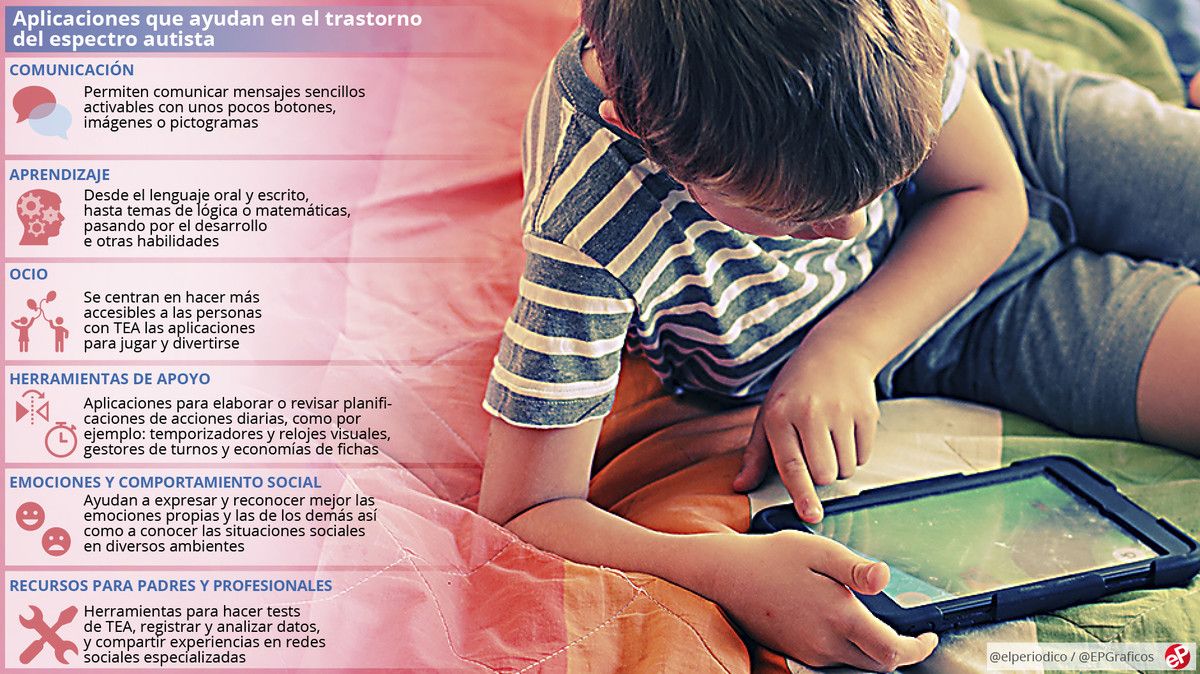
There are apps and platforms designed to teach languages through visual games, sounds, songs, and interactive characters. These tools allow children to learn at their own pace, with personalized stimuli and in a controlled environment.

3. Positive Reinforcement and Functional Language

It's important to teach useful vocabulary for everyday life: words related to emotions, basic needs, greetings, and routines. Through songs, simple games, and everyday situations, you can make a real connection between language and the child's experience.

Positive reinforcement (such as praise, stickers, or small rewards) also helps maintain motivation and celebrate achievements, no matter how small.

4. Patience, empathy, and collaboration with the family

Every child with autism is different. Therefore, it is vital to maintain constant communication with the family to understand their interests, progress, and how they react in different contexts. Teaching should be flexible, respectful, and adapted to their learning style.


domingo, 18 de mayo de 2025

Artificial Intelligence: A Revolution in Language Learning

Artificial Intelligence: A Revolution in Language Learning


 Artificial intelligence (AI) has transformed many aspects of our daily lives, and one of the most exciting is the world of education. In particular, learning new languages has greatly benefited from the capabilities this technology offers.

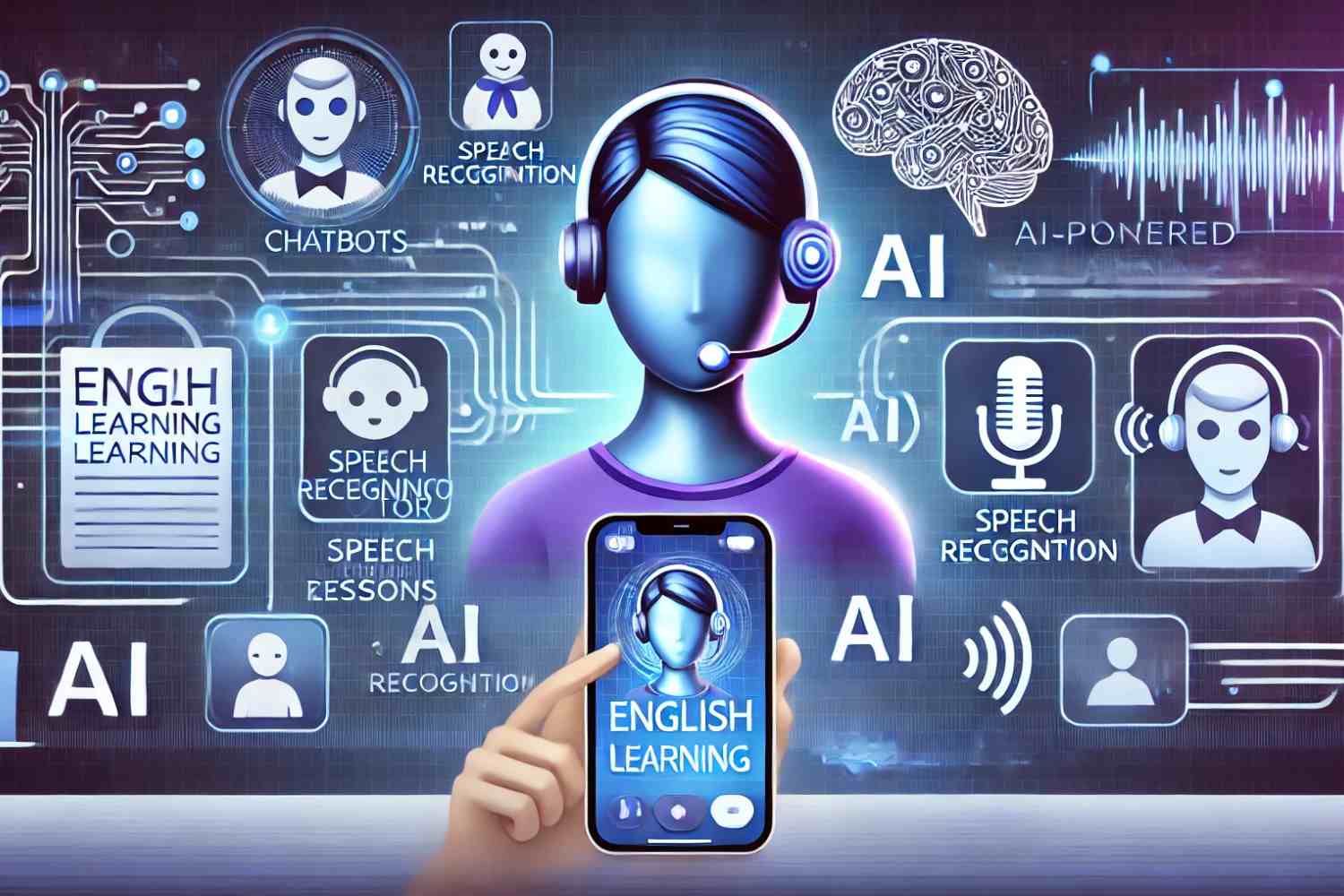
Today, AI-powered tools allow instruction to be personalized based on each student's level, pace, and learning style. Applications such as virtual assistants, intelligent translators, automated conversation platforms, and pronunciation correction are making the process of acquiring a new language easier and more efficient.

One of the great advantages of AI is its ability to provide immediate feedback. Students can receive real-time corrections, practice conversations with chatbots that simulate native speakers, and address their weaknesses through adaptive exercises. This not only improves comprehension but also student motivation and autonomy.

Furthermore, AI allows teachers to access data on their students' progress, helping them design more effective teaching strategies focused on individual needs. In this way, technology does not replace the teacher, but rather complements and strengthens their work.

We are living in a new era in language teaching, one in which AI acts as a bridge between traditional learning and the demands of the modern world. Leveraging these tools not only makes the process more interactive and accessible, but also prepares students to communicate fluently in a globalized environment.


domingo, 11 de mayo de 2025

Technology as an ally in teaching a new language

 Technology as an ally in teching a new language 

In an increasingly globalized world, learning a new language has become a necessity, both personal and professional. Fortunately, technology has transformed the way we acquire knowledge, and language learning is no exception.

Today, there are multiple digital tools that make the language learning process more dynamic, accessible, and personalized. Mobile apps, interactive platforms, educational videos, podcasts, online games, and social media are just some of the resources we can use to practice vocabulary, improve pronunciation, develop listening and communication skills, and better understand grammar.

Furthermore, technology allows for virtual language immersion: students can listen to native speakers, participate in video calls with people from other countries, access discussion forums, and even
configure their devices in the language they are learning, which reinforces learning consistently and naturally.

Another great benefit is flexibility. Thanks to online education and 24/7 access to resources, students can learn at their own pace, from anywhere, and at a time that best suits their schedules.

The key is to use technology strategically, integrating it as a complement to traditional teaching and encouraging active student participation. With creativity, commitment, and the right tools, teaching and learning a new language can become a motivating, effective, and enriching experience.

Some applications used to learn a new language are...


domingo, 4 de mayo de 2025

What benefits can people with autism gain from using technology?

 What benefits can people with autism gain from using technology?

Technology can allow us to increase learning opportunities and, in turn, broaden our knowledge of different resources and devices, generating new ways of interaction, communication, and social inclusion, as it can provide resources and support for accessing products and services in any society. Therefore, with responsible and targeted use, it generates accessibility and facilitates access. Let's review some of its advantages and benefits:

People with autism can use technology through devices that become communication tools and learning facilitators. In this way, we can foster their independence and autonomy in everyday activities and routines. Furthermore, technology allows for socialization and relationship-building, enabling interaction with other people.

A great advantage of technology is its ability to be accessed from any location with an internet connection, which also allows us to reach people with ASD without having to travel, providing listening, support, advice, and intervention despite being miles away. This aspect, in turn, leads to learning and empowerment for parents regarding interventions with their children.

A great advantage of technology is that it can be used from anywhere with an internet connection. This allows for care, support, guidance, and intervention to be provided to individuals with ASD without the need to travel. This also represents a learning and empowerment opportunity for families regarding the strategies they can apply with their children.
Finally, access to training opportunities for both professionals and families contributes to ongoing development and improvement in care.

Social Media as Your New Language Classroom

Social Media as Your New Language Classroom: Learn with YouTube, TikTok, and More What if your next language lesson was just one scroll away...