Little Explorers: How to Teach a New Language to Children Under 6
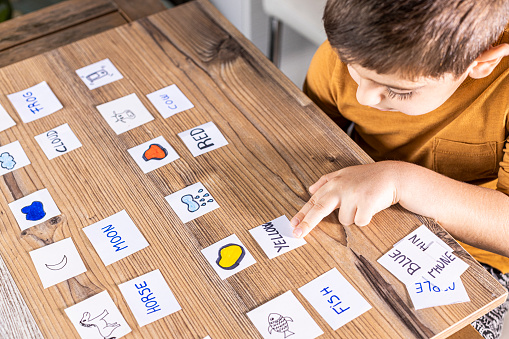
The early years of life are an ideal time to learn a new language. Children under 6 have an incredible capacity to absorb sounds, words, and linguistic structures naturally, almost as if they were language sponges.
How can we take advantage of this stage of development to teach them a second language effectively and fun?
1. Learning through play
Play is the most powerful tool in childhood. Through songs, stories, puppets, role-playing, and manual activities, children can learn new words without even realizing it. Incorporating the new language into these playful dynamics allows learning to be spontaneous and enjoyable.
2. Daily and natural exposure
This isn't about translating or teaching long classes, but rather incorporating the language into daily life. For example, naming objects in the environment ("ball" when playing, "apple" when eating), singing children's songs in another language, or watching short cartoons in that language. Repetition and constant exposure strengthen memory and comprehension.
3. Routines with Language
Young children love routines. Take advantage of moments like greetings, snacks, bath time, or goodbyes to introduce simple phrases in the new language. This creates positive and functional associations with language use.
4. Don't Fear Mistakes
It's normal for children to mix words from both languages at first. It's not a mistake, but rather part of the natural acquisition process. The important thing is to continue exposing them to the language in a positive way, without negative or forced correction.
5. Family Involvement
The family plays a key role. They don't need to speak the second language perfectly; showing interest, singing together, repeating words, or reading illustrated stories is enough. This involvement creates an environment of trust and motivation.
This is an educational video on how we can teach our little ones a new language.
https://youtu.be/HecobysFp6U?si=s8fO1yj1yG982Lcw




No hay comentarios.:
Publicar un comentario